POV: most DeFi lending protocols are interest rate subsidies dressed in smart contracts.
IMHO, what actually matters is whether a protocol can survive the next crash without socializing losses onto its depositors, and very few pass that test.
Here's my honest take after going deep on @aave, @Morpho, @SkyEcosystem, and @compoundfinance:
The market is bigger than most realize.
– DeFi lending hit $54B TVL mid-2025, $40B+ of that sitting in Aave alone across 14+ chains.
– Aave now holds ~62% market share in lending → a level of dominance that would be considered monopolistic in TradFi.
The only question I ask before allocating to any lending protocol: is bad debt capacity smaller than the safety module?
If I can't answer that cleanly, nothing else matters. LTV ratios, utilization curves, governance tokens… all noise without a clear answer to that one question.
[1] Aave is the most battle-tested.
– $210M liquidated in a single day on Feb 4 2025 with zero new bad debt, icymi this is their largest since 2022.
– Lifetime bad debt across $1T+ in processed loans: ~$2M. that ratio is almost embarrassing to type out lol.
– The Umbrella staking module is why stakers take first-loss risk voluntarily at 10%+ APY before a single depositor gets touched.
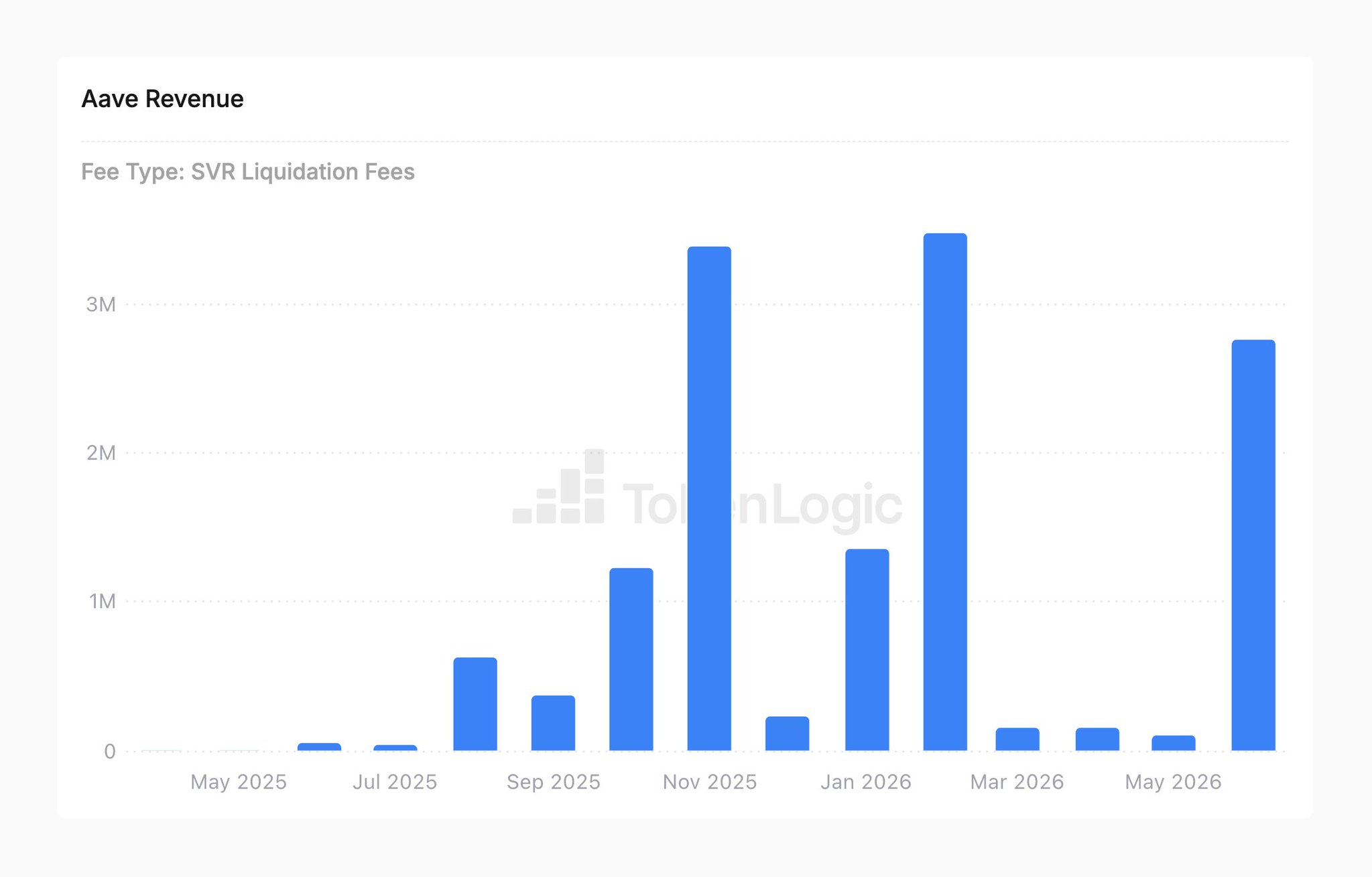
– Q4 2025 was their highest quarterly earnings ever at $22.6M → the protocol is genuinely printing now.
But I'm watching the overexpansion closely, some L2 deployments such as zkSync, Soneium, Celo are running at a net loss.
And the Dec 2025 governance dispute between Aave Labs and the DAO over rev diversion was ugly, even if the fundamentals didn't break, trust in governance did, at least temporarily.
[2] Sky doesn't get enough credit.
Zero lifetime bad debt since 2019, through Terra, through 3AC, through FTX, through every ETH crash that wrecked everyone else.
Their Dutch auction liquidation model finds true market price instead of paying a flat bonus, more capital efficient, better outcomes for borrowers, and critically: it rebuilds itself after failure.
They also have $SKY minting as the absolute last resort backstop, which has never been triggered.
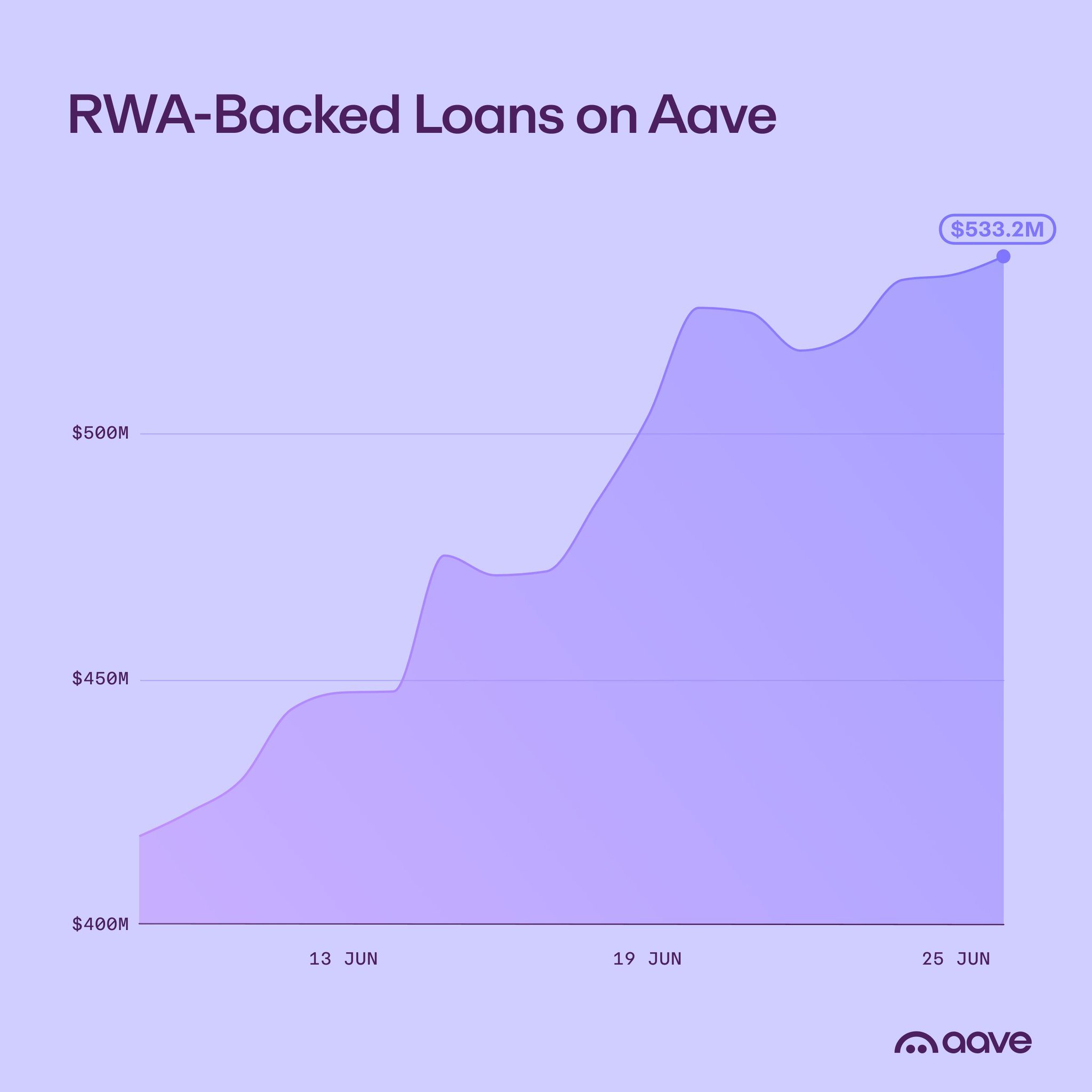
Add RWA integration and you have a protocol whose revenue doesn't vanish when crypto dumps. That's a structurally different business model than every pool-based protocol out there.
[3] Morpho is the most architecturally interesting and the most financially unresolved.
$130M+ in annualized fees flow through the protocol. $0 goes to the treasury.
They're currently a public good, an extraordinarily well-audited one (25+ audits, OpenZeppelin, Spearbit, Cantina), but the DAO is unfunded.
Long-term security spending depends on the $MORPHO token, which is a circular argument that ends badly if price goes sideways.
What they got right that no one else has fully copied imo is the isolated markets. → Each market is its own risk bubble.
So a bad collateral event in one market cannot cascade into others iykyk.
Cream Finance died because one bad asset poisoned the entire shared pool, that is architecturally impossible on Morpho Blue.
I believe it's mechanism design that actually solves the biggest historical failure mode in DeFi lending.
If the fee switch activates, this reprices fast and until then, I hold the architecture in high regard and the sustainability in question.
[4] Compound is deliberately boring and that's not an insult.
$65,710 in lifetime bad debt since 2018… yeah you heard that right, that number is not a typo.
Single-base-asset markets, minimal moving parts, smallest attack surface, most conservative risk parameters.
Institutions don't need yield optimization, they need to not blow up and Compound is the answer to that.
But COMP emissions still partially subsidize yield, and rate competitiveness against Morpho is quietly eroding.
[5] The protocols that died taught us everything:
– Venus: $52M bad debt.
– Iron Bank: $27M.
– Cream: $130M hack.
Same root cause every single time with shared pools, illiquid collateral accepted as collateral, no first-loss buffer → one asset breaks, the whole pool bleeds.
The meta-lesson is older than DeFi: Black Thursday 2020, ETH dropped 43% in hours, Maker's auction bots couldn't bid because gas made participation unprofitable. $5.4M in DAI auctioned for $0.
The protocol survived only because MKR was minted as a last resort. liquidation incentives that aren't profitable under worst-case conditions aren't real liquidation incentives, they're fair-weather mechanics.
Every protocol that's still alive has internalized this. every protocol that ignored it is gone.
So after all it’s safe for me to say these lending Protocol sustainable long-term:
– @aave | $AAVE: earns real P&L, stress-tested, slight governance risk.
– @SkyEcosystem | $SKY: zero bad debt, RWA floor, slowest to innovate.
– @compoundfinance: safest architecture, fading competitiveness.
– @Morpho: best mechanism design, existential revenue gap.
Where i'm actually comfortable putting capital:
Sky/Spark for safety with zero bad debt track record and an off-chain yield floor is a combination you don't find anywhere else in DeFi.
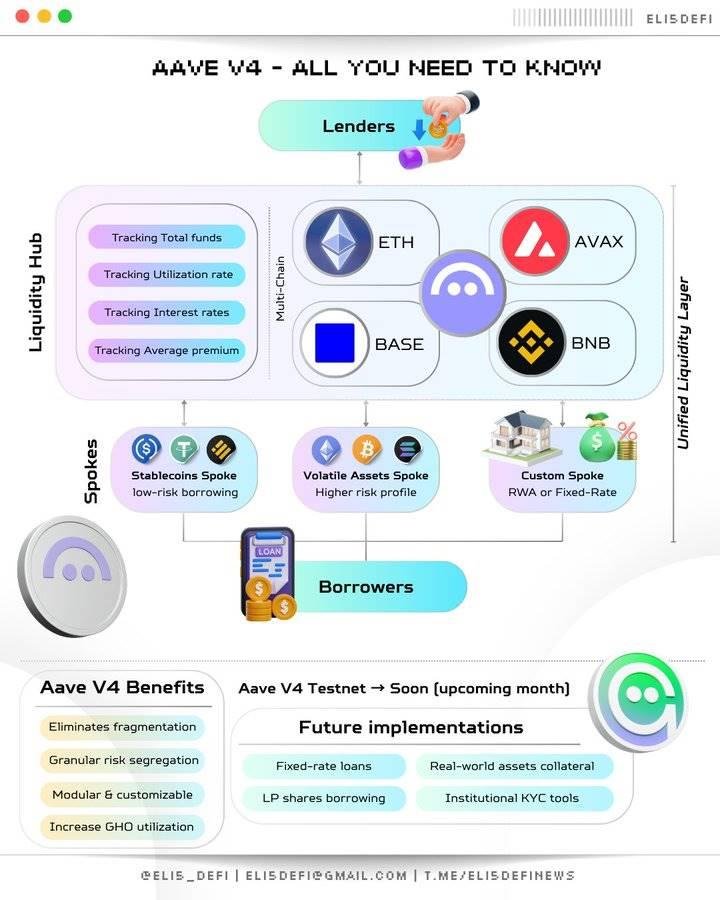
Aave for scale as the only protocol with real earnings at cycle-proof size, and V4 Hub & Spoke completed audits with zero critical findings.
Morpho for the asymmetric bet since fee switch activation is the single catalyst that changes everything about this protocol's long-term viability.
Don't call it research if you haven't looked at the bad debt ledger, stay safe out there fam.