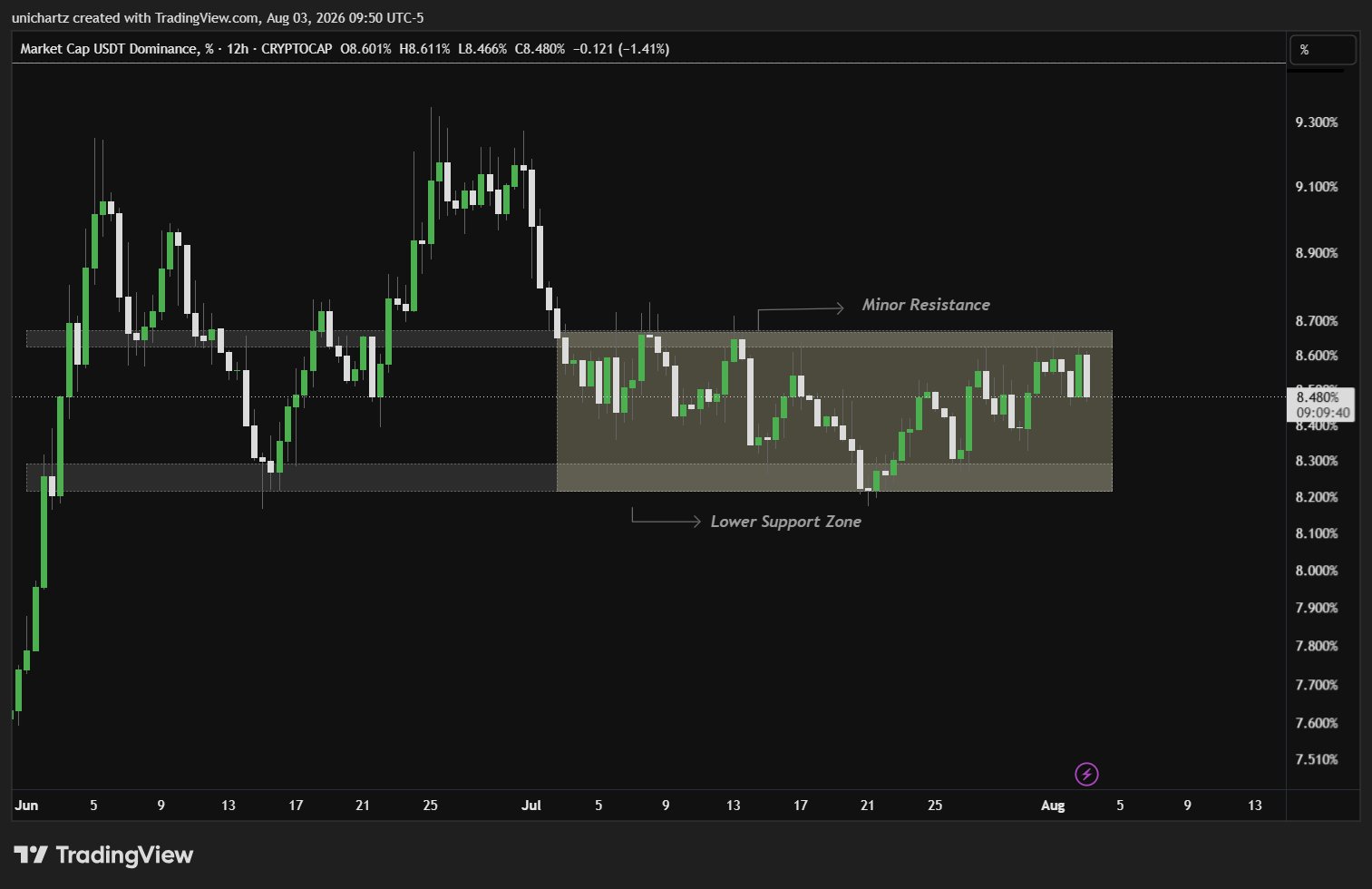
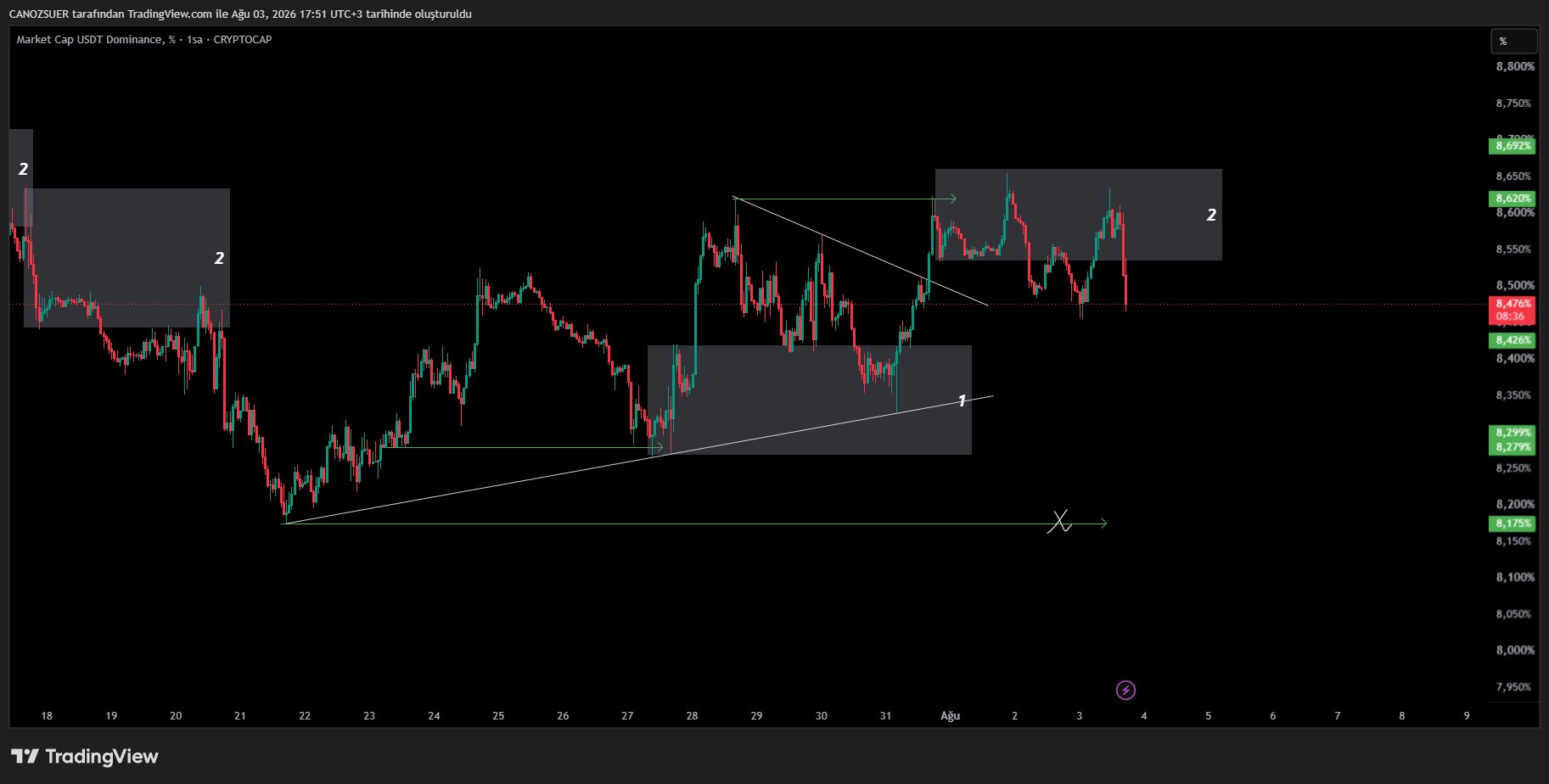
$USDT was another "hint" signs of distribution ... even if temporarily.
https://t.co/9KoPh4Tuva https://t.co/VGRLHksArU

$USDT was another "hint" signs of distribution ... even if temporarily.
https://t.co/9KoPh4Tuva https://t.co/VGRLHksArU
💵 The war for the digital dollar: why stablecoins could dominate 2026
For years, stablecoins were considered one of the least flashy parts of the crypto ecosystem. They didn’t promise to multiply their value nor featured in big speculative narratives. Their function was simple: represent digital dollars on blockchain.
However, in 2026 that perception has changed significantly. Stablecoins have moved from being a tool mainly used by traders to becoming a key infrastructure for payments, settlement and value transfer at a global scale.
What’s happening?
Banks, card networks, fintechs, asset managers and exchanges are competing to position themselves in the stablecoin market. The goal is no longer just to issue a dollar‑linked token, but to control the surrounding financial infrastructure: custody, payments, regulatory compliance, settlement and connection to the traditional banking system.
Projects like Open USD, backed by a broad consortium of financial and tech companies, reflect how traditional institutions have begun to see stablecoins as a strategic opportunity, not an external threat.
At the same time, regulatory frameworks like MiCA in Europe and new legislative initiatives in the United States are speeding up the transition of stablecoins from a frontier product to a regulated financial category.
Key details
• Stablecoins enable fast, global, low‑friction value movement.
• Traditional institutions are actively entering the sector.
• Regulation is creating a clearer framework for issuers and users.
• Competition is increasingly focused on infrastructure, not just the token.
• Banks, fintechs and exchanges are seeking to capture the flow of digital money.
Context
The rise of stablecoins is creating new tensions within the financial system. Some banks, especially small and community institutions, fear these assets could accelerate deposit outflows toward more efficient digital products. At the same time, consolidated issuers like Tether and Circle face growing competition from banks, tech consortia and new regulated projects.
Regulation is also reshaping the power balance. On one hand, it offers greater legitimacy to the sector and facilitates institutional entry. On the other, it increases scrutiny over reserves, governance, liquidity and systemic risks.
In this new scenario, stablecoins are no longer just a crypto tool. They are becoming a strategic piece of the digital financial system. Whoever manages to dominate this infrastructure could control a significant part of the internet’s money operating system in the coming years.
Important notice
This analysis presents a view on the evolution of stablecoins and their impact on the financial ecosystem. It does not constitute an investment recommendation. The stablecoin market carries regulatory, counter‑party, liquidity and potential systemic risks. Always perform your own analysis before making any decision.
【Update🔥】
🇺🇸 The US Treasury Department's Office of Foreign Assets Control (OFAC) added 134 crypto wallet addresses linked to ISIS‑K to its sanctions list. Tether, which issues $USDT, has frozen the funds of the 131 sanctioned addresses. #OFAC #Sanctions
https://t.co/BXwK2oo7De
🚨 UPDATE: The US Treasury Department's OFAC added 134 ISIS‑K‑linked crypto wallet addresses to its sanctions list.
Tether froze funds across 131 sanctioned addresses. https://t.co/F2msSRrXTq