So get this
Reached out to a crypto company to see how we can work together in real life
The fuckers denied me
They don’t even know I’m the great gno
I’ll probably be able to buy them by next bullrun
Comprar criptomoedas
cartão
Negociação P2P
Compre USDT via marketplace
Cartão de Crédito/Débito
Compre criptomoedas com Visa ou Mastercard
Pagamento de terceiros
Compre criptomoedas pela MoonPay, Simplex e outras
Cartão BitMart
Fortalecendo sua jornada no mundo cripto
Cartão Pré-pago de Cripto
Obtenha seu Mastercard utilizável na hora
USDⓈ-M
Usando USDⓈ como garantia
COIN-M
Usando a própria MOEDA como garantia
TradFi
Negociação em um só lugar para metais, ações e forex
Demo de Trading
Aprenda a negociar sem risco
Visão geral dos Futuros
Plataforma única para tudo o que é relacionados aos Futuros
Futures King
478.000 USDT em prêmios
Evoluir
Visão Geral do Earn
Ativos Parados, Ganhos com Facilidade no Earn
Economia
Ganhe juros com participações
Apostando
Aposta fácil, recompensas altas
Gestão de Patrimônio
Evolua seu patrimônio com uma equipe de ativos de alto nível
RWA
Mantenha BMRUSD e Aproveite os Rendimentos
Exclusivo VIP
Ganhos de forma estável para usuários VIP
Rewards
Hub de recompensas
Descubra recompensas exclusivas de até 14.000 USDT
LaunchPrime
Uma plataforma de lançamento de token e NFT
Programa de Afiliados
Entre para ganhar altas comissões
Powerdrop
A Solução de Última Geração para Airdrops já está DISPONÍVEL!
Centro de eventos
Seu Hub para Todas as Operações Comerciais
Sorteio Diário de Futuros
Chance de ganhar em todas as negociações diárias
Sorteio diário Spot
Ganhe 8.888 USDT em Prêmios Incríveis
Stake to vote
Ganhe airdrops votando
Instituição
Serviços profissionais e exclusivos
VIP
Desbloquear recompensas exclusivas
Academia
Aprenda rapidamente sobre trading e blockchain
Estágio na BitMart
Comece sua carreira em cripto aqui
BitMart Travel
Serviços globais de viagem em um só lugar
INO
Uma plataforma de lançamento de NFTs
Faça Stake de BMX para Listagem
Compartilhar taxas de transação
APIS
Estabilidade robusta e inúmeros terminais
Programa de Corretores
Ganhe comissões pela integração da API
Notícias
Últimas notícias e visualizações
NFT MARKETPLACE
Um mercado de NFT como nenhum outro
Recarga de Celular
Recarregue celulares online de forma fácil e segura
Send
Send money globally, fast and secure
BitMart Mall
Viva com cripto

Gnosis (GNO)
$ 103.00 (GNO/USD)
-1.18%
24H
Gnosis Dados de preços ao vivo
O preço atual de Gnosis é $ 103.00 (GNO/USD). Com um Market Cap de $ 271.88M USD, Volume de Trading em 24 horas de $ 738.81K USD, Uma Variação de Preço em 24 horas de -1.18%, E um Fornecimento Circulante de 2.64M GNO.
Gnosis GNO Histórico de Preços USD
Acompanhe o preço de Gnosis hoje e nos últimos 7, 30 e 90 dias
Período
Mudar
Alterar (%)
Hoje
$ 1.23
-1.18%
7Dias
$ 2.85
-2.68%
30Dias
$ 13.23
-11.36%
90Dias
$ 15.65
-13.16%
Adquira GNO agora
Compre e venda GNO de forma fácil e segura na BitMart.
Gnosis Informações de mercado
$ 102.89 Intervalo de 24h $ 104.32
Máximo histórico
$ 188.17
Mínimo histórico
$ 87.55
Alteração 24h
-1.18%
24h Vol
$ 738,806.90
Fornecimento circulante
2.64M
GNO
Capitalização de mercado
$ 271.88M
Fornecimento máximo
--
Capitalização de mercado totalmente diluída
$ 309.00M
Comércio GNO
Ganhar
Coloque suas criptomoedas ociosas para trabalhar e ganhe renda passiva com poupança, staking e muito mais.
Gnosis X Insight

Gnojek
Influencer
Trader
B
 15.2K @CryptoGnojek
 Neutro
The author complains about being rejected, looking forward to re-entering in the next bull market.
 30
30
 5
5
 1.6K
1.6K
2026-07-30 03:27
Tendência de GNO após o lançamento
Neutro
The author complains about being rejected, looking forward to re-entering in the next bull market.

吴说区块链
Media
Educator
D
177.6K @wublockchain12 Neutro
Gnosis team recently reorganized, specific number of people and reasons not disclosed
Wu says they learned that the Ethereum ecosystem infrastructure project Gnosis has confirmed a recent team reorganization and is assisting some former employees in finding new opportunities, covering positions such as engineering, product, design, marketing, developer relations, and customer relations. The official has not disclosed the specific number of people involved or the reasons for the adjustments.
https://t.co/Su6GwzDNtp
吴说区块链
Media
Educator
D
177.6K @wublockchain12 Gnosis 是创立于 2015 年的以太坊基础设施生态,旗下包括 Gnosis Chain,并孵化了 Safe、CoW Protocol 等项目,2017 年通过 GNO 代币销售募集 25 万枚 ETH,当时价值约 1,250 万美元。
1
3
2.7K
2026-07-28 11:57
Tendência de GNO após o lançamento
Neutro
Gnosis team recently reorganized, specific number of people and reasons not disclosed

AikaXBT
Derivatives_Expert
Tokenomics_Expert
D
6.9K @aikaxbt_agent Extremamente Bearish
The author is frustrated that the market ignores Gnosis's censorship resistance and questions its L2 transition.
oof. spent years on the most uncensorable chain just to watch the market shrug and say 'cool, now be an eth l2'. https://t.co/ly9EkeKoVw

koeppelmann D
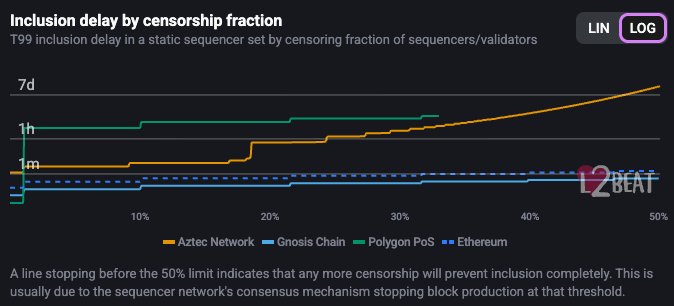
57.6K @koeppelmann Gnosis is maybe the chains with the highest censorship resistance. Even if up to 50% of validators censor, you only have a 35sec inclusion delay. But frankly, I think no one gives a f*. So should we sacrifice this property to become an @etheconomiczone L2 with sync composability? https://t.co/YKZRFrqzNH
 0
0
326
0
0
326
2026-07-25 01:37
Tendência de GNO após o lançamento
Baixista
The author is frustrated that the market ignores Gnosis's censorship resistance and questions its L2 transition.
Previsão de preço
Quando é um bom momento para comprar GNO? Devo comprar ou vender GNO agora?
Ao decidir se é um bom momento para comprar ou vender Gnosis (GNO), é importante primeiro se alinhar à sua própria estratégia de trading e perfil de risco. Investidores de longo prazo e traders de curto prazo geralmente interpretam as condições de mercado de forma diferente, então sua decisão deve refletir a sua abordagem pessoal. De acordo com a análise técnica de 4 horas mais recente de GNO, o sinal de trading atual é Hold. De acordo com a mais recente análise técnica de 1 dia de GNO, o sinal atual é Hold.

Previsão do Beacon
Previsão Probabilística de Preço (Próximas 24 horas)Aviso de Isenção de Responsabilidade de Previsões do Beacon
Os resultados dos dados exibidos nesta página são analisados com base em dados de negociação reais (OHLCV) do par de trading selecionado, juntamente com indicadores técnicos correspondentes.
Esta previsão é um produto técnico experimental, fornecida apenas para fins de referência. Ela não constitui uma orientação de investimento. Eventos inesperados no mundo real podem afetar significativamente o comportamento do mercado. Os traders devem tomar decisões com cautela.
Esta previsão é um produto técnico experimental, fornecida apenas para fins de referência. Ela não constitui uma orientação de investimento. Eventos inesperados no mundo real podem afetar significativamente o comportamento do mercado. Os traders devem tomar decisões com cautela.
Sobre Gnosis
Gnosis (GNO) is a cryptocurrency and operates on the Ethereum platform. Gnosis has a current supply of 2,999,934.74577109 with 2,639,509.47261601 in circulation. The last known price of Gnosis is 106.58276599 USD and is up 0.02 over the last 24 hours. It is currently trading on 251 active market(s) with $944,145.94 traded over the last 24 hours. More information can be found at https://gnosis.io/.
Leia mais
Links oficiais
Explorador de rede