Latest DeFi security update: Is there a new exploit?
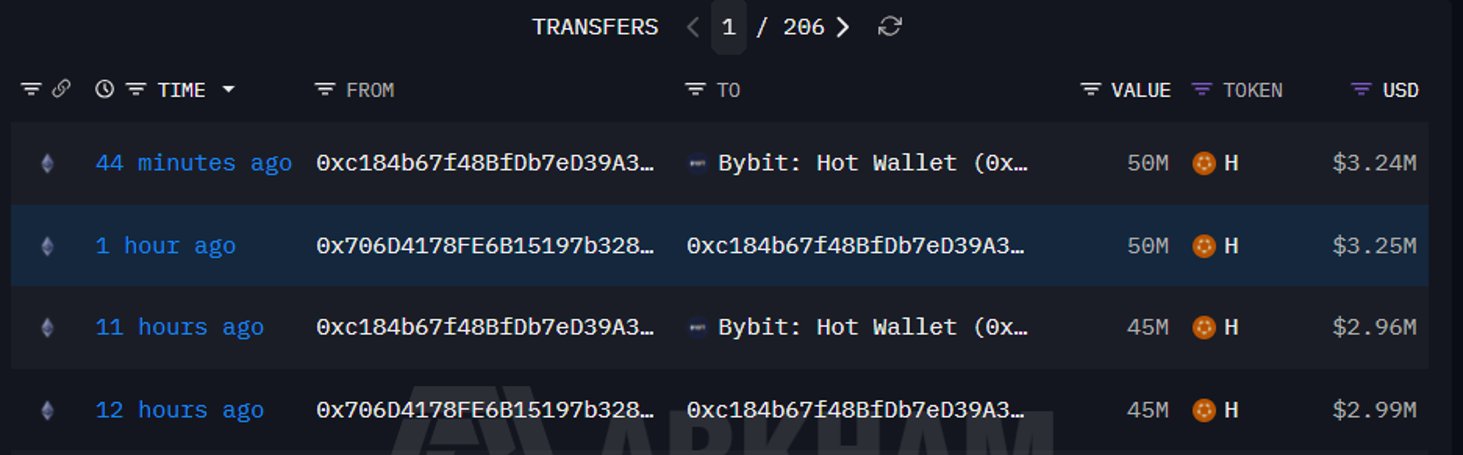
The most striking security incident in recent weeks was an exploit on the Humanity Protocol around 9 June 2026.
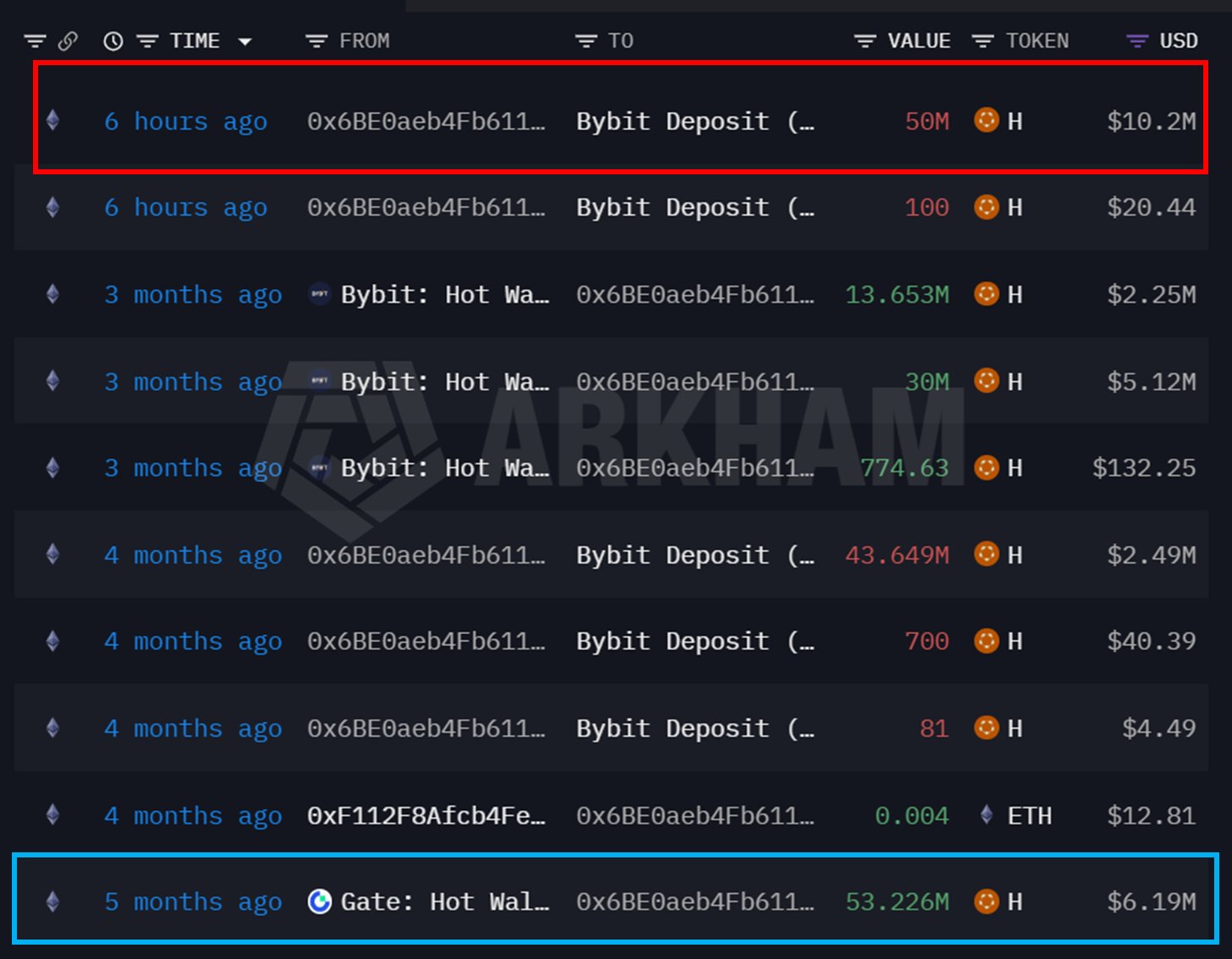
The attacker stole private keys (suspected via phishing or internal access), siphoned over $30–32 million from several wallets, took over the contract, and minted additional tokens.
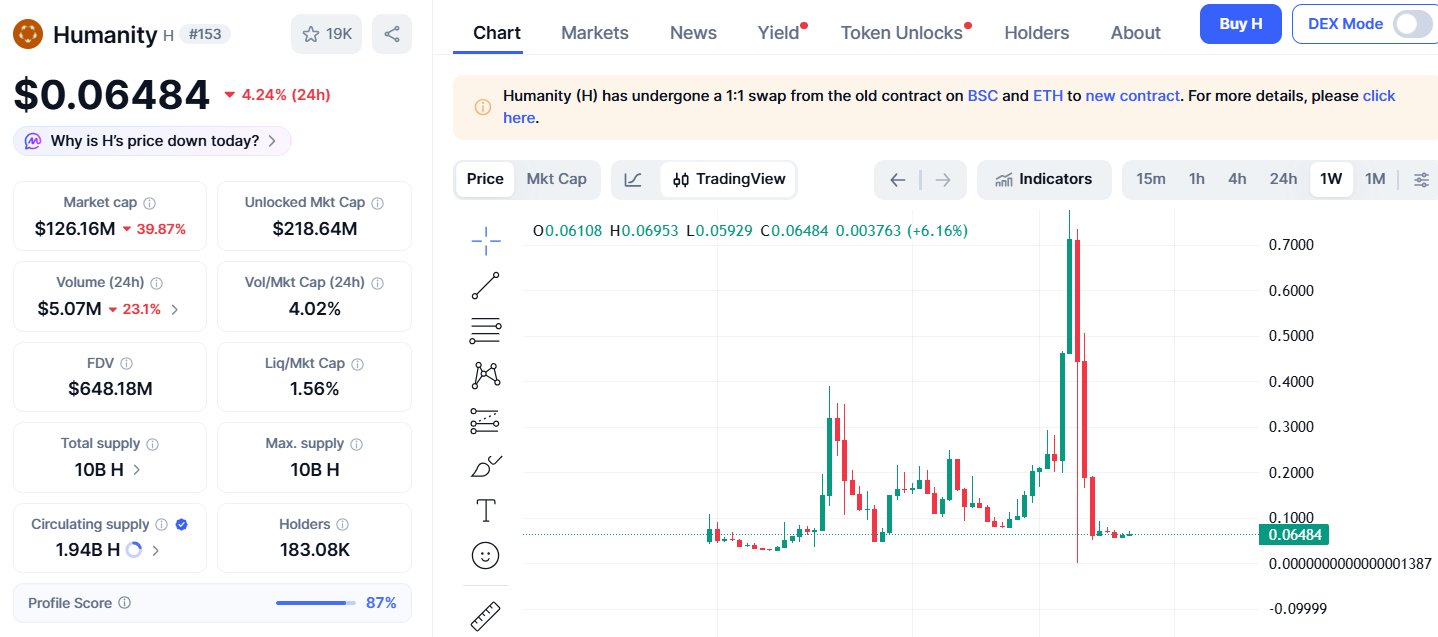
The token price immediately crashed by more than 80%. This adds to the long record of 2026, which has already logged total DeFi losses above $840 million since the start of the year, with bridges and private key management still being the main weak points.
Key takeaways:
Private keys and operational security remain the most effective attack vectors, even on audited projects.
Social engineering and phishing continue to be real threats. Additionally, bridges and cross-chain infrastructure remain high-risk due to the complexity of inter-chain verification.
Many major exploits in 2026 (including earlier Drift and Kelp DAO) show that issues often arise not only from code bugs but also from key governance and operational processes.
Amid numerous incidents, several protocols are actually gaining trust because of their consistent security track records.
Aave remains the standard with multiple audits (including the V4 update in 2026), active bug bounty programs, and a track record of navigating multiple cycles without large-scale user fund losses.
Morpho Blue is also praised for its minimalist design, formal verification, isolated market that limits contagion risk, and commitment to competitive bug bounties. These protocols are often chosen by more cautious users and institutions.
Practical tips to avoid scams and risks:
▫️Always check the latest audit and bug bounty program on the protocol’s official website (Immunefi).
▫️Use tools like revoke cash regularly to revoke unnecessary token approvals.
▫️Start with a small amount for testing before large deposits.
▫️Verify contract addresses on Etherscan and avoid links from DMs or untrusted sources.
▫️Follow reputable security researcher accounts and monitor updates on DeFiLlama or the Rekt Database.
▫️For large amounts, consider a hardware wallet and avoid new protocols with low TVL lacking strict audits from renowned auditors.
DeFi security is never 100% guaranteed, but with disciplined habits, risk can be significantly reduced.
How do you check a protocol’s security before using it?