No-profit tokens disappear, a new standard for the crypto market
Recently, the standards for viewing the cryptocurrency market are changing.
In the past, prices were driven by expectations about the future, specifically, the narrative of "will this project grow?" but now, more fundamental questions are becoming central.
Is this project actually making money?
As noted in recent analyses by various media outlets, including Cointelegraph, and crypto experts, the market is increasingly focusing on projects with structures that generate actual revenue rather than flashy marketing or narratives.
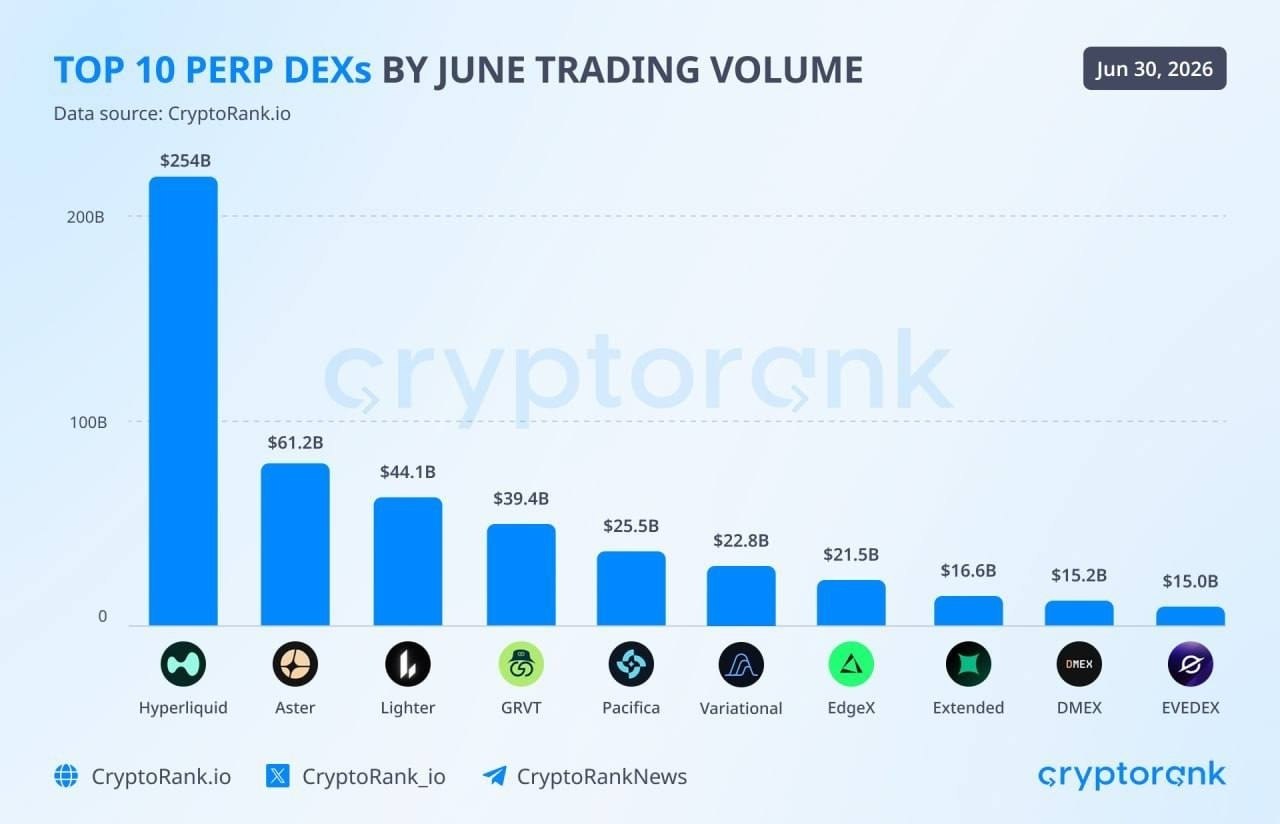
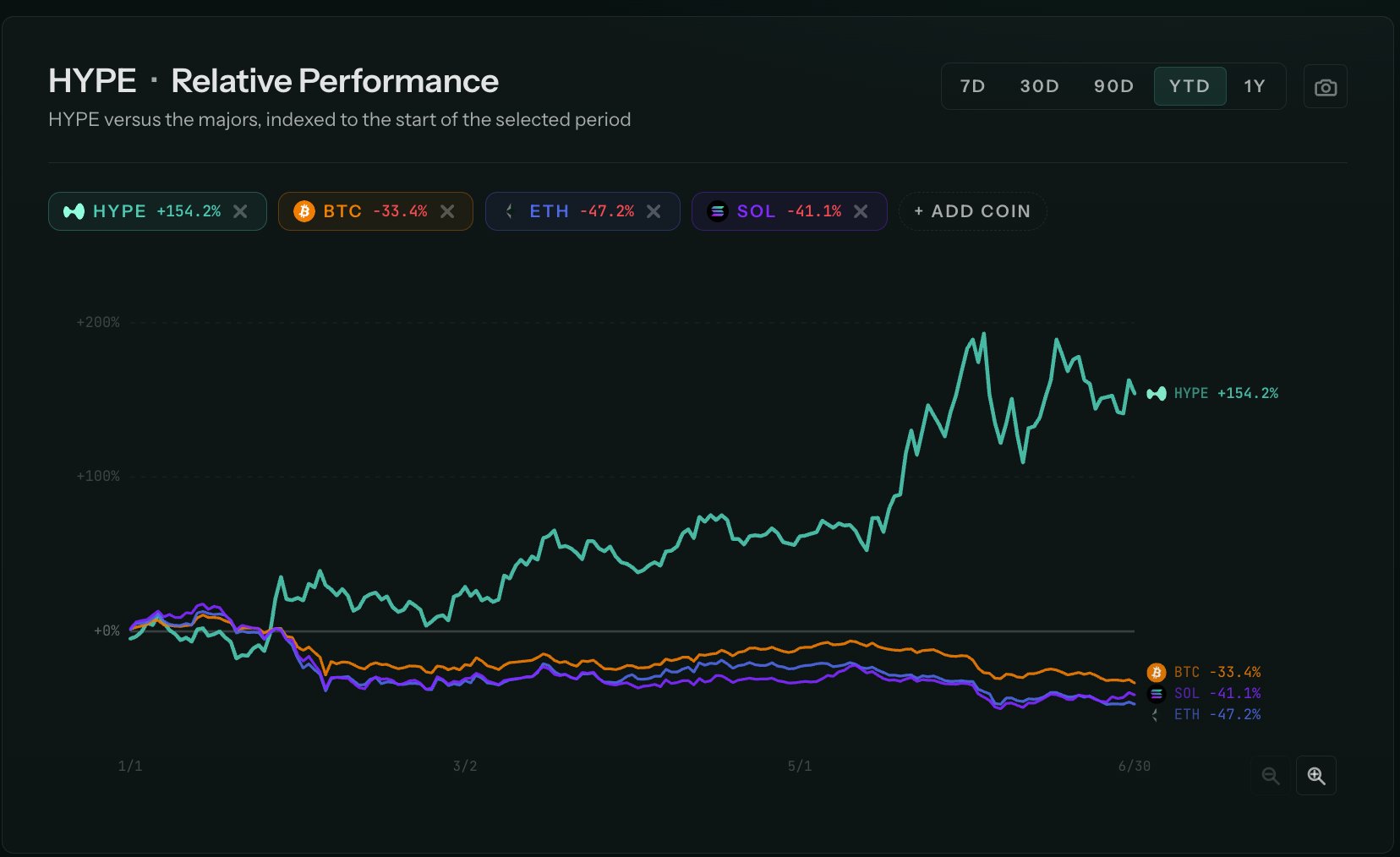
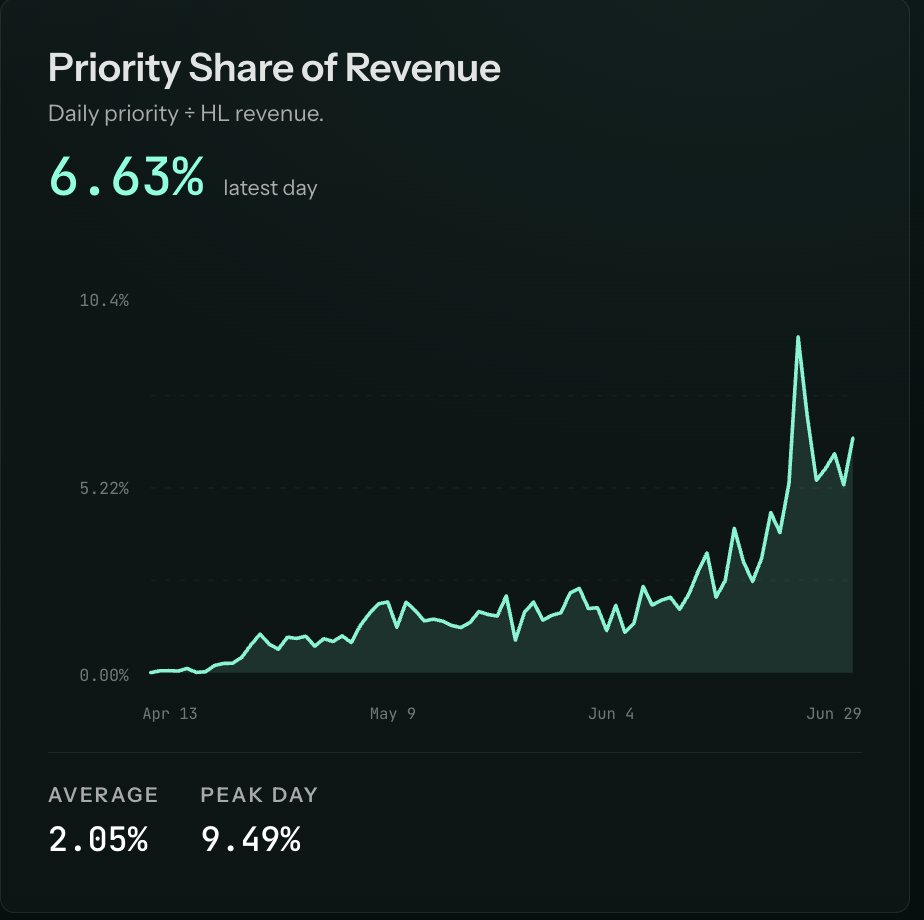
The reason is that, as investors experience a high interest rate environment and shrinking liquidity, they are becoming increasingly sensitive to capital efficiency and tangible value , and have come to realize, led by HyperLiquid, how monetization in Dex and prediction markets actually provides value to token holders.
This change could be a trend that questions the reason for the existence of tokens that have been neglected for so long.
In past bull markets, many altcoins were recognized as having sufficiently high value based on their “potential” alone.
However, in the current market, the questions are “Does that potential lead to actual profit?” and “How is that profit connected to the token?”
You must pass these two questions simultaneously.
And what naturally emerges from this process is the connection structure between the protocol's revenue and token value .
From this perspective, some projects are showing a slightly different approach.
For example, Orbs @orbs_network has been moving in the direction of building a product family that generates actual revenue over the past few years under the motto of L3.
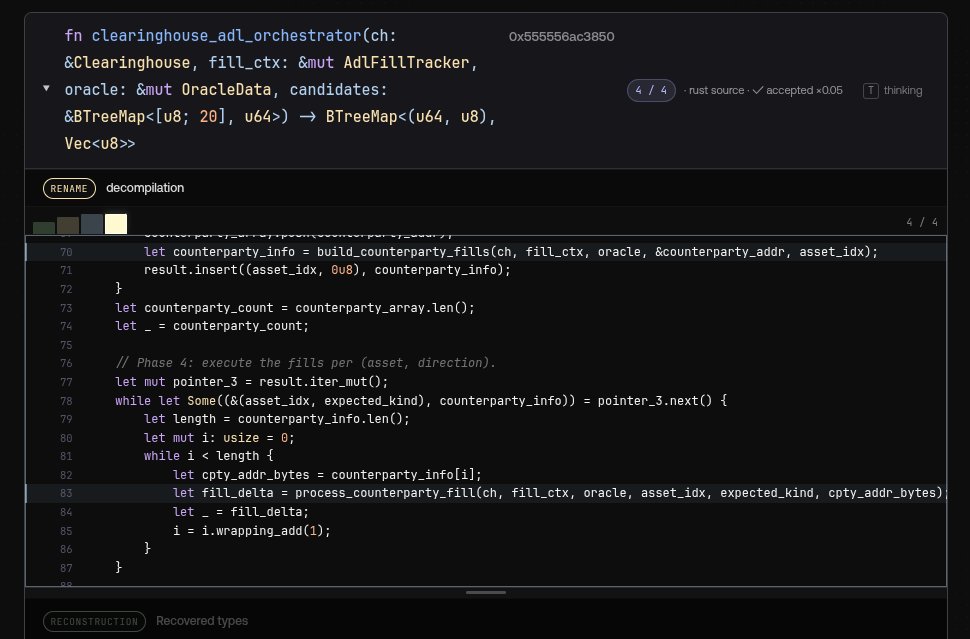
In practice, actual usage is taking place in specific areas such as DEX infrastructure, order processing, and liquidity-related functions, and we have gradually built a structure that generates revenue at the protocol level.
Of course, what is truly important at this stage is not only whether “profit exists,” but also how that profit can be connected to token value.
Currently, many projects are showing limitations at this point.
The protocol generates revenue but is unrelated to tokens or Tokens exist but are not linked to revenue, or In this structure, as time passes Naturally, the market valuation is bound to drop.
A prime example is the Raido DAO token, the largest staking protocol on Ethereum; while it is the most profitable protocol in the Ethereum ecosystem, its token price is abysmal.
Therefore, it is now a natural progression for the Raido DAO to take an interest in buybacks/burning of the protocol revenue pool to defend the token price through recent governance.
It is difficult to view the Orbs mentioned by the author as completely free from this problem either.
Currently , while a revenue generation structure exists, the mechanism for direct return to token holders is limited .
However, there is a possibility of significant change.
This is because if a DAO transition or changes in governance structure materialize in the future for projects like Orbs that have stood the market stress for a long time, there is room for attempts to link protocol revenue to token value to become more concrete.
This is significant in that it aligns with the direction currently demanded by the market, and it is also possible to consider the possibility that it is an undervalued project as it is not yet well known due to information asymmetry.
Ultimately, what the market demands right now is clear.
“Is there profit?” “Is that profit linked to tokens?”
These are the two things.
And unlike in the past, projects that do not meet these standards are highly likely to be naturally filtered out by the market over time.
The cryptocurrency market is approaching a reality where fundamental questions about value are becoming increasingly important.
The era when prices were formed solely by dreams and expectations is gradually passing, and we are moving toward an environment where only projects with verified profits and structures survive.
Amidst this change, what is important is not to view specific projects optimistically, but to relentlessly pursue the question: “Is this project actually making money, and where does that value belong?”
And only projects that can answer that question are likely to receive a meaningful evaluation in the next cycle.
@JapanOrbs @orbs_korea @RanHammer