

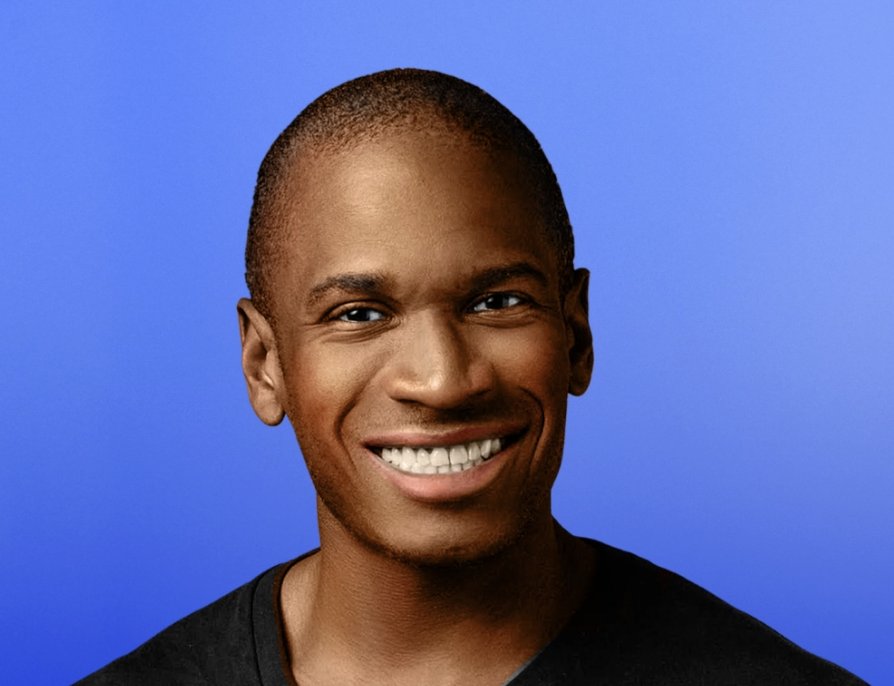
JUST IN: Arthur Hayes buys back into Ethereum two days after selling
He swapped 2.5 million $USDC for 1,337 $ETH at around $1,869 https://t.co/5CxNm3sI3b


 119.8K @cryptodotnews
 JUST IN: Arthur Hayes buys back into Ethereum two days after selling
He swapped 2.5 million $USDC for 1,337 $ETH at around $1,869 https://t.co/5CxNm3sI3b
 3
3
 3
3
 957
957
 142.0K @thinkingcrypto
  208 @ethereuminsti
 BlackRock has launched two tokenized money market funds.
The $6.2 billion BlackRock Select Treasury Based Liquidity Fund (BSTBL) now has a tokenized share class issued on @ethereum, with BNY as transfer agent and tokenization provider.
A second vehicle, BRSRV, launches alongside it, with Securitize as transfer agent and tokenization provider.
Both invest in cash, short-term US Treasuries, and overnight repo backed by Treasuries, and both intend to qualify as eligible reserve assets for permitted US payment stablecoin issuers under the GENIUS Act.
BlackRock at a glance:
→ Over $15 trillion in assets under management
→ More than $1 trillion overseen by its Cash Management business
→ Around $60 billion in stablecoin reserves already managed
The world's largest asset manager and the world's largest custodian are both building on Ethereum.
 235
15
9.0K
235
15
9.0K
 80.6K @AlanTradingYT
  4.2M @WatcherGuru
 JUST IN: BlackRock launches tokenized money-market fund on Ethereum.
4.6K
313
325.8K

Ethereum (ETH) is a decentralized platform that runs smart contracts, defined as applications that run exactly as programmed without any possibility of downtime, censorship, fraud, or third-party interference. These apps run on a custom built blockchain, an enormously powerful shared global infrastructure that can move value around and represent the ownership of property. This enables developers to create markets, store registries of debts or promises, move funds in accordance with instructions given long in the past (like a will or a futures contract) and many other things that have not been invented yet, all without a middleman or counterparty risk. The project was bootstrapped via an ether presale in August 2014 by fans all around the world. It is developed by the Ethereum Foundation, a Swiss non-profit, with contributions from great minds across the globe.